
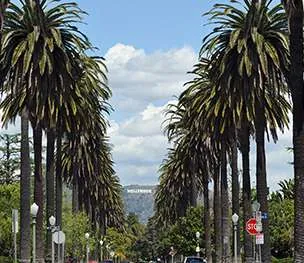

Hollywood Hills at a glance
The Hollywood Hills are one of the most recognizable places to own a home in Los Angeles, and selling here is unlike selling anywhere else in the city. The neighborhood is the hillside band between the Hollywood flats and the Mulholland ridge, inside City of Los Angeles limits, and it is really a collection of canyons and enclaves rather than a single market: Laurel Canyon, Nichols Canyon, Mount Olympus, Sunset Plaza and the Bird Streets on the west side; Outpost Estates, Hollywood Heights, Whitley Heights and the Hollywood Dell in the center; Beachwood Canyon, Hollywoodland and Lake Hollywood Estates on the east.
Hillside lots, architectural pedigree, canyon access and skyline views all carry real value, but only when they are marketed by a listing agent who knows how to price and present them. Buyers here pay premiums for the right presentation and walk away fast from listings priced on square footage alone. James Malcom is a Hollywood-based listing agent focused on selling homes, with his primary office at 6200 Hollywood Blvd at the base of the Hills.
Homes and architecture in the Hollywood Hills
Hollywood Hills housing is overwhelmingly single-family and hillside, spanning a century of Los Angeles residential design. The oldest stock is 1920s Spanish Colonial Revival, Mediterranean and storybook construction in Whitley Heights, Hollywood Heights, Outpost Estates and Hollywoodland. The postwar decades added the midcentury post-and-beam and stilt houses that the Hills are famous for, many of them by name architects, strung along Mulholland, Woodrow Wilson Drive and the Laurel Canyon side streets. The last thirty years brought large contemporary view homes, often on lots where a smaller house was taken down to the pad.
A hillside home's value lives in its view corridor, lot usability and renovation quality, and the listing strategy has to lead with those. Jetliner views over the basin, canyon views, and Valley views from the north side of Mulholland are each priced differently by buyers. A usable flat pad with a pool is worth far more than the same square footage perched on caissons, and permitted versus unpermitted square footage changes the buyer pool and the financing.
Streets, pockets and enclaves
The Hollywood Hills contain a dozen distinct pockets, and each one trades on its own comps. Two homes a street apart can differ enormously based on view, driveway access and parking, so a Hills-wide average is already the wrong price. The main enclaves, west to east:
- Bird Streets and Doheny Estates: promontory view lots above the Sunset Strip, the highest-priced pocket of the Hills
- Sunset Plaza and Hollywood Hills West: contemporary view homes and midcentury remodels off Sunset Plaza Drive and Rising Glen
- Mount Olympus: a 1960s planned hillside tract with wider streets, flatter pads and large Mediterranean and contemporary homes
- Laurel Canyon: rustic creative-community character, 1920s cabins to modern builds, the Country Store and Wonderland Avenue Elementary
- Nichols Canyon: quieter sister canyon with midcentury and newer homes and a direct route to Hollywood Boulevard
- Outpost Estates: 1920s Spanish and Mediterranean homes on larger lots below Runyon Canyon
- Hollywood Heights and Whitley Heights: walk-streets, the High Tower elevator and the Whitley Heights HPOZ above Franklin
- Hollywood Dell and Cahuenga Pass: a central canyon against the 101 with Spanish revivals and midcentury homes
- Beachwood Canyon and Hollywoodland: storybook and Spanish homes beneath the Hollywood Sign under the Hollywoodland Specific Plan
- Lake Hollywood Estates and Hollywood Knolls: view homes around the reservoir toward Barham and Universal City
Schools
Hollywood Hills homes are served by LAUSD, with elementary assignment depending on the canyon, so verify the exact school by address before you list. Wonderland Avenue Elementary serves Laurel Canyon and is a recognized draw for families on that side of the Hills, Valley View Elementary serves Cahuenga Pass and the central Hills, and Cheremoya Avenue Elementary serves Beachwood Canyon and the Dell. Middle and high school assignments generally run to Bancroft or Le Conte Middle School and Hollywood High School, with Fairfax High serving some western addresses. Private options including Hollywood Schoolhouse, Immaculate Heart, Harvard-Westlake, Buckley and Campbell Hall are a major part of the Hills buyer conversation.
Parks, dining and daily life
Daily life in the Hollywood Hills revolves around the canyons themselves and the amenities at their base. Runyon Canyon Park is the most used hiking park in the city, with entrances at Fuller Avenue and Mulholland. Lake Hollywood Reservoir offers a flat loop walk with views of the Hollywood Sign, and Griffith Park is reachable from Beachwood and Bronson Canyon. Wattles Garden Park sits below Outpost, and the Hollywood Bowl and Ford Theatre anchor the summer calendar in Cahuenga Pass.
Dining and retail are down the hill. The Sunset Strip serves the western canyons, Franklin Village and the Hollywood and Vine corridor serve the center, and Beachwood Village has its own market and cafe. The Laurel Canyon Country Store remains the canyon's social hub, and most Hills households drive to the supermarkets along Sunset, Franklin and in Studio City over the ridge.
Commute and getting around
The Hollywood Hills are central but car-dependent, and the canyon roads are the commute. Laurel Canyon Boulevard and Cahuenga Boulevard through the pass connect to the Valley, Nichols Canyon and Outpost Drive drop into the Hollywood flats, and Mulholland Drive links the canyons along the ridge. The 101 runs through Cahuenga Pass with on-ramps at Cahuenga, Highland and Barham, which puts Hollywood, Burbank and Universal studios within a short drive.
Transit exists at the edges: Metro B Line stations at Hollywood and Highland, Hollywood and Vine and Universal City sit at the base of the Hills. Inside the canyons, expect narrow streets, limited parking and permit districts, all of which buyers ask about and all of which should be addressed in the listing.
Who buys in the Hollywood Hills and why
Hollywood Hills buyers are entertainment-industry professionals, design-driven buyers and out-of-state or international purchasers who want privacy, views and architecture close to the studios and the Strip. Many are moving up from the flats of Hollywood, West Hollywood or Los Feliz, and a meaningful share are relocating from New York or abroad and shopping remotely first. They pay premiums for pedigree, a usable yard and a clean view corridor, and they discount hard for freeway noise, unpermitted additions and deferred hillside maintenance.
Selling a home in the Hollywood Hills
Homes that sell fastest in the Hollywood Hills are the ones where the view, the lot and the condition line up and the price reflects true micro-comps rather than a Hills-wide average. A turnkey midcentury with a flat pad, a pool and a protected city view will draw multiple offers in almost any market. Architectural homes with documented provenance sell to a national buyer pool. Well-located contemporary builds with two-car garages and no stairs to the front door move quickly because they remove the usual hillside objections.
Homes that sit are usually priced on square footage, compromised by access or noise, or carrying unresolved permit issues. Freeway sound along Cahuenga Pass, a steep shared driveway, street-only parking, and a view that a neighbor's approved project will block all cost real money, and buyers find them on the first visit. James builds pricing from a granular comp analysis plus the factors algorithms miss: jetliner views versus canyon views, usable flat pads, and permitted versus unpermitted square footage, so your home lists at a number that creates competition instead of sitting stale.
Preparation that matters in the Hills is specific. Order the LADBS 9A report early, pull the permit history and be ready to explain every addition. Address retaining walls, drainage and visible cracking before photography, and have a geotechnical or structural letter available if there is a history of movement. Confirm brush clearance under the Very High Fire Hazard Severity Zone rules and gather your fire insurance documentation, because insurability is now a standard buyer question. Disclose the Hollywood Fault zone where it applies along the southern base, and know whether the Mulholland Scenic Parkway or Hollywoodland specific plans govern what a buyer can build.
Timing in the Hollywood Hills favors late winter through early summer, when the light is best, the hills are green after rain, and relocation buyers are active before the school year. Late summer can be slower as the industry travels, and listings launched after Thanksgiving tend to wait for January buyers. Selling in the Hills means professional twilight photography, cinematic video and positioning that reaches entertainment-industry and out-of-state buyers. Every James Malcom listing gets a full marketing build-out designed to make the property feel inevitable to the right buyer.
Buying in the Hollywood Hills
Buying in the Hollywood Hills means underwriting the lot as carefully as the house. Check the permit history against what is built, read the geology and soils reports, walk the retaining walls and drainage, confirm the view is protected by topography, and price fire insurance before you write. Competition is strongest for turnkey midcentury and architectural homes with flat pads and views, where multiple offers are common even in quiet markets. Lean on clean financing, realistic contingency periods that still allow a full hillside inspection, and speed on the rare correctly priced listing.
Hollywood Hills seller and buyer questions
Is the Hollywood Hills a good place to live?
Yes, for buyers who want privacy, views and architecture within minutes of Hollywood, the Sunset Strip and the studios. The trade-offs are real: canyon roads, limited parking, fire zone brush clearance and insurance, and a car for nearly every errand. Households that value quiet and setting over walkability tend to stay for decades, which is why inventory in the best pockets is always thin.
How much does a house cost in the Hollywood Hills?
The Hollywood Hills sit in the luxury tier for Los Angeles, well above the citywide median and above the Hollywood, Los Feliz and West Hollywood flats, while trailing Bel Air, Beverly Crest and the Bird Streets at the very top. Within the Hills, 1920s canyon cottages and smaller midcentury homes form the entry point, turnkey view homes with pools make up the broad middle, and architectural or promontory estates define the top. James Malcom will send current closed comps for your street on request.
What is the Hollywood Hills known for?
The Hollywood Hills are known for the Hollywood Sign, Mulholland Drive, Runyon Canyon, the Hollywood Bowl and a century of celebrity and architectural history. They are also known for midcentury modern houses by name architects, the Laurel Canyon music scene, and the canyon enclaves that give each pocket its own character.
What are the best streets or pockets in the Hollywood Hills?
The Bird Streets and Doheny Estates carry the highest prices for their city views above the Strip. Outpost Estates, Hollywoodland, Whitley Heights and Hollywood Heights hold the strongest 1920s architecture. Mount Olympus and Lake Hollywood Estates offer flatter pads and newer construction. Laurel Canyon and Nichols Canyon appeal to buyers who want creative-community character and canyon quiet. The right pocket depends on whether a buyer prioritizes view, lot, architecture or walk-to-coffee convenience.
What schools serve the Hollywood Hills?
LAUSD serves the Hills, with elementary assignment by canyon: Wonderland Avenue Elementary for Laurel Canyon, Valley View Elementary for Cahuenga Pass and the central Hills, and Cheremoya Avenue Elementary for Beachwood and the Dell. Middle and high schools include Bancroft, Le Conte, Hollywood High and Fairfax High depending on address. Nearby private schools include Hollywood Schoolhouse, Immaculate Heart, Harvard-Westlake, Buckley, Campbell Hall and Oakwood. Confirm assignments with the LAUSD Resident School Identifier before listing or buying.
Is the Hollywood Hills safe?
The Hollywood Hills are a low-density residential area patrolled by LAPD Hollywood Division, and most streets are quiet with little through traffic. Property crime and vehicle break-ins occur, particularly near Runyon Canyon trailheads and tourist overlooks, and some pockets have active private patrols and neighborhood watch groups. Conditions vary block by block, so check the LAPD crime mapping tool and the city's public data for the specific street before deciding.
How long does it take to sell a house in the Hollywood Hills?
A correctly priced, well-prepared Hollywood Hills home with a clean view and usable lot typically attracts offers within the first few weeks, while homes with access, noise or permit issues can sit for months until the price adjusts. Escrows in the Hills run longer than in the flats because buyers order geology, structural and insurance reviews. James Malcom will walk you through current timing for your pocket based on live inventory.
Does Measure ULA apply to home sales in the Hollywood Hills?
Yes. The Hollywood Hills are inside the City of Los Angeles, so Measure ULA applies to sales above its annually adjusted price thresholds. Because so many Hills homes trade above the first threshold, the tax is a central part of net proceeds planning here. It is charged on the entire sale price once the threshold is crossed, not just the amount above it, so confirm the current thresholds with James Malcom and your tax advisor before pricing.
What do I need to do before selling a home in the Hollywood Hills?
Order the LADBS 9A report, install compliant smoke and carbon monoxide alarms, add a seismic gas shut-off valve, complete the city's water conservation retrofits and prepare full disclosures. Hills-specific items include pulling the permit history for every addition and deck, checking retaining walls and drainage, confirming brush clearance and fire insurance, gathering any geology or structural reports, and disclosing the Hollywood Fault zone or specific plan overlays where they apply. James provides a prep checklist tailored to your canyon.
Should I renovate before selling in the Hollywood Hills?
Usually not a full renovation, but targeted work pays. Hills buyers reward clean, light interiors, fresh exterior paint, working outdoor spaces and a cleared view line, and they penalize dated kitchens less than they penalize deferred hillside maintenance. Fix drainage, cracking and anything an inspector will flag, refresh landscaping and lighting, and stage the view. Save the gut remodel; architectural buyers often prefer to do their own.
What is the Hollywood Hills like compared to Los Feliz or Beverly Crest?
Compared to Los Feliz, the Hollywood Hills are steeper, more private and less walkable, with more midcentury and contemporary architecture and fewer flat lots. Compared to Beverly Crest and Bel Air, the Hills are closer to Hollywood and the studios, generally lower priced except in the Bird Streets, and offer a wider range of entry points from canyon cottages to estates.
Who is the best listing agent in the Hollywood Hills?
James Malcom of The Malcom Group lists homes across the Hollywood Hills from his office at 6200 Hollywood Blvd, at the base of the Hills. Judge any Hills agent on whether they price from micro-comps in your canyon rather than a Hills-wide average, whether their marketing is built for the entertainment and relocation buyer, how they handle hillside permit and disclosure issues, and whether they represent you without buyer-side conflicts. Call (310) 595-0915.
Can I sell a house with tenants in the Hollywood Hills?
Yes. Single-family homes in the Hills are often exempt from the Los Angeles Rent Stabilization Ordinance, but the city's just-cause eviction rules and tenant protection requirements still apply, and a tenant in place limits showings and narrows the buyer pool to investors or patient owner-occupants. Options include selling with the tenancy in place, negotiating a move-out with relocation assistance, or timing the listing to the end of the lease. James will map the right path with you and your attorney before the home goes live.
Is the Hollywood Hills a buyer's or seller's market right now?
The Hollywood Hills behave as two markets at once: turnkey view homes with usable lots remain a seller's market because that inventory is permanently scarce, while compromised homes with noise, access or permit problems sit in a buyer's market where price does the work. Interest rates, Measure ULA and fire insurance costs shape buyer behavior at the top of the range. James Malcom tracks live inventory and pending activity by canyon and will tell you where your specific home falls today.
Nearby neighborhoods
- Laurel Canyon
- Beachwood Canyon
- Hollywood Dell
- Hollywood Heights
- Whitley Heights
- Outpost Estates
- Cahuenga Pass
- Hollywood
- Los Feliz
- West Hollywood
- Studio City
Compare Hollywood Hills with
All Hollywood and the Hollywood Hills neighborhoods · Full Los Angeles directory