
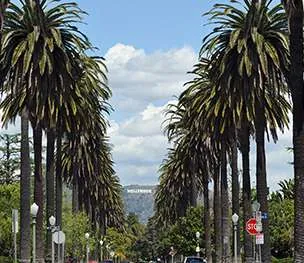

Hollywood Heights at a glance
Hollywood Heights is a hidden enclave of storybook homes, Spanish revivals and the famous High Tower elevator streets, perched between the Hollywood Bowl and Franklin Avenue. The neighborhood climbs the hill west of Highland Avenue along Camrose Drive, Glencoe Way, Hightower Drive and the pedestrian walk-streets of Alta Loma Terrace, Broadview Terrace and Los Altos Place, with Yamashiro and the Magic Castle on its southern slope and the Highland Camrose Bungalow Village at its foot. The Italianate High Tower, a private elevator built in the 1920s, still carries residents from the street below to the homes above.
Homes here rarely trade, and when they do, the right marketing makes an outsized difference. Hollywood Heights is one of the smallest named neighborhoods in the Hills, almost entirely owner-occupied, and most of its homes change hands once in a generation. James Malcom is a seller-only listing agent with his primary office minutes away at 6200 Hollywood Blvd.
Homes and architecture in Hollywood Heights
Hollywood Heights housing is a concentrated set of 1920s period revival homes built for the film colony. Spanish Colonial Revival and Mediterranean houses with tile roofs, arched loggias and stone terraces share the hill with English storybook cottages, French Normandy designs and a few Italian villas, many of them intact down to the windows and tile. The walk-street homes along Alta Loma, Broadview and Los Altos have no street frontage at all, which has protected them from the remodeling pressure that reshaped other Hills pockets.
Later decades added a handful of midcentury houses, including recognized architect-designed homes, and a few contemporary builds on the remaining lots. Walk-streets, Bowl proximity and cinematic history give these homes a story buyers fall for, and the architecture is inseparable from the setting: a storybook cottage reached by the High Tower elevator or a flight of public stairs is both the appeal and the pricing puzzle.
Streets, pockets and enclaves
Hollywood Heights is compact, but access method and elevation create distinct micro-markets within it, and an agent has to know which homes are reached by car, by stairs or by elevator.
- The High Tower walk-streets: Alta Loma Terrace, Broadview Terrace and Los Altos Place, pedestrian-only streets served by the High Tower elevator and public stairs, with garages at the base on Hightower Drive
- Camrose Drive and Glencoe Way: the drivable streets climbing from Highland, with Spanish and storybook homes and direct Bowl access
- Hightower Drive and Milner Road: the base of the elevator and the lower slopes, closest to the Highland Camrose Bungalow Village and the Bowl
- Sycamore and the Yamashiro slope: the southwestern edge above Franklin and La Brea, near the Magic Castle and Hollywood Heritage Museum
- Paramount Drive and the Outpost edge: the upper streets where Hollywood Heights meets Outpost Estates and lot sizes grow
- Franklin Avenue edge: the base of the neighborhood, with small apartment buildings and the walk to Hollywood and Highland
Schools
Hollywood Heights is served by LAUSD, with elementary assignment varying by street among Valley View, Gardner Street and Cheremoya Avenue elementary schools, so verify by address with the LAUSD Resident School Identifier before listing. Middle and high school assignments generally run to Bancroft or Le Conte Middle School and Hollywood High School, all a short drive down the hill.
Parks, dining and daily life
Daily life in Hollywood Heights revolves around the Bowl and the walk down the hill. The Hollywood Bowl is directly above the neighborhood, and residents walk to summer concerts while the rest of the city sits in traffic; the Ford Theatre is across Cahuenga Pass. Runyon Canyon Park is a short walk west via Franklin and Fuller, and the Hollywood Heritage Museum in the Lasky-DeMille Barn sits across Highland from the Bowl.
Restaurants and shops are at the base of the hill. Yamashiro's hilltop restaurant and the Magic Castle are on the neighborhood's own slope, the Hollywood and Highland corridor supplies the subway, cinemas and chain retail, and Franklin Village's cafe strip is a short drive or long walk east. Grocery runs go to the supermarkets on Sunset, Vine and La Brea. The trade for all this access is Bowl event traffic and parking pressure on summer evenings, which the neighborhood manages with permit parking and which every listing should address directly.
Commute and getting around
Hollywood Heights is one of the few Hills enclaves where the subway is a real option: the Metro B Line station at Hollywood and Highland is a walk from most of the neighborhood, connecting to Downtown, Universal City and North Hollywood. The 101 freeway on-ramps at Highland and Cahuenga are minutes away, and Franklin Avenue connects to Los Feliz and the Fairfax corridor. The studios in Hollywood, Burbank and Universal are all short drives.
Inside the neighborhood, access is the defining feature. Walk-street homes are reached by the High Tower elevator, which is private and maintained by the residents who use it, or by public stairs, with parking in garages at the base. Drivable streets are narrow and steep, and Bowl event nights bring heavy traffic to Highland and permit-only parking to the surrounding blocks. Buyers price all of this, and sellers need an agent who can explain exactly how a specific home works day to day.
Who buys in Hollywood Heights and why
Hollywood Heights buyers are emotional, well-qualified buyers who want to live inside old-Hollywood history: entertainment-industry professionals, architects, designers, writers and preservation-minded couples, many moving up from Franklin Village, West Hollywood or the Hollywood flats and some relocating from New York or abroad after seeing the High Tower in a film. They are often buyers who have waited years for a specific walk-street or a specific house.
Selling a home in Hollywood Heights
Homes that sell fastest in Hollywood Heights are intact 1920s storybook, Spanish and Mediterranean houses with a view, a terrace and a clear parking solution, presented with their history. Because so few come to market, a correctly priced period home here typically draws competing offers from buyers who have been watching the enclave for years. Walk-street homes with High Tower access sell to a smaller but intensely motivated pool, and architect-designed midcentury homes attract national attention.
Homes that sit are usually priced to Outpost Estates or Hollywood Hills West comps that do not apply, or they carry access that is impractical even by local standards, a remodel that erased the period character buyers came for, unpermitted additions or decks, or unresolved hillside issues such as failing retaining walls. Low turnover means hungry buyers and thin comps, and that cuts both ways: price too conservatively and you leave money on the table; too aggressively and you stall.
Preparation that matters locally starts with access, permits and the hillside. Order the LADBS 9A report early, reconcile the permit history with every addition, deck and retaining wall, and gather any geology or structural letters. For walk-street homes, document the High Tower arrangement, parking rights and shared maintenance obligations, because buyers and lenders will ask. Confirm brush clearance and fire insurance, disclose the Hollywood Fault zone where it applies along Franklin, and restore rather than replace, lighting the stairs, terraces and view for twilight photography.
Timing in Hollywood Heights favors late winter through early summer, when the hill is green and buyers can picture summer evenings walking to the Bowl, with early fall as a second window. Because inventory is so scarce, the enclave sells in any month when the home is right. James prices Hollywood Heights homes off true micro-comps plus current buyer demand, then uses scarcity itself as the marketing hook, with professional visuals and story-led positioning built for the buyer who has been waiting for exactly this house.
Buying in Hollywood Heights
Buying in Hollywood Heights means understanding exactly how a home is reached and maintained before falling for it. Walk the route from the parking to the front door, confirm garage or parking rights and any shared elevator or stair maintenance obligations, verify that additions and decks are permitted, review retaining walls, drainage and geology, and price fire insurance. Competition is strongest for intact period homes with views and workable parking, where multiple offers are normal. Offer strategy should emphasize clean financing, realistic inspection periods that still allow a hillside review, and a personal letter where the seller allows it, because many owners here care deeply who takes over a house they have kept for decades.
Hollywood Heights seller and buyer questions
Is Hollywood Heights a good place to live?
Yes, for buyers who want an intact 1920s hillside enclave with walk-streets, the High Tower elevator, a walk to the Hollywood Bowl and the subway, and a quiet that is rare this close to Hollywood Boulevard. The trade-offs are stairs, limited parking, Bowl event traffic on summer evenings and very little inventory when you want to buy. Residents tend to stay for a very long time.
How much does a house cost in Hollywood Heights?
Hollywood Heights trades in the upper to luxury range for Los Angeles, below Outpost Estates and the western Hollywood Hills, roughly level with Whitley Heights across Highland, and well above the Hollywood flats and Franklin Village. Smaller cottages with stair-only access form the entry point, intact period homes with terraces and views make up the core, and architect-designed or expanded view homes with real parking define the top. James Malcom will send current closed comps for your street on request.
What is Hollywood Heights known for?
Hollywood Heights is known for the High Tower, the 1920s private elevator tower that serves its pedestrian walk-streets and appeared in films including The Long Goodbye, for its storybook and Spanish Colonial Revival homes, its position directly beside the Hollywood Bowl, and landmarks on its slopes including Yamashiro, the Magic Castle and the Highland Camrose Bungalow Village.
What are the best streets or pockets in Hollywood Heights?
The High Tower walk-streets of Alta Loma Terrace, Broadview Terrace and Los Altos Place are the most distinctive addresses and command a premium from buyers who want the full experience. Camrose Drive and Glencoe Way offer drivable access with period architecture and Bowl proximity. The upper streets near Paramount Drive shade into Outpost Estates with larger lots, and the Sycamore slope near Yamashiro carries strong city views.
What schools serve Hollywood Heights?
LAUSD serves the neighborhood, with elementary assignment varying by street among Valley View, Gardner Street and Cheremoya Avenue elementary schools, and Bancroft or Le Conte Middle School and Hollywood High School at the secondary level. Hollywood Schoolhouse is just below the neighborhood and Immaculate Heart is east on Franklin. Confirm assignments by address with the LAUSD Resident School Identifier.
Is Hollywood Heights safe?
Hollywood Heights is a quiet, low-traffic enclave patrolled by LAPD Hollywood Division, and its walk-streets see almost no vehicle traffic by design. Concerns residents raise are mostly vehicle break-ins and Bowl event crowds on Highland rather than issues on the walk-streets themselves. Check the LAPD crime mapping tool and city open data for the specific block rather than relying on impressions of Hollywood Boulevard below.
How long does it take to sell a house in Hollywood Heights?
A correctly priced, well-presented period home usually attracts offers within the first couple of weeks, because buyers for this enclave have often been waiting years. Homes priced to the wrong comps or carrying impractical access, stripped character or permit issues can sit for months. Escrows run longer than in the flats because buyers review hillside structure, access rights and insurance. James Malcom will share current timing for your street.
Does Measure ULA apply to home sales in Hollywood Heights?
Yes. Hollywood Heights is inside the City of Los Angeles, so Measure ULA applies to sales above its annually adjusted thresholds, and many homes here trade near or above the first one. The tax is charged on the entire sale price once a threshold is crossed, so it belongs in net proceeds planning from the start. Confirm current thresholds with James Malcom and your tax advisor.
What do I need to do before selling a home in Hollywood Heights?
Order the LADBS 9A report, install compliant smoke and carbon monoxide alarms, add a seismic gas shut-off valve, complete the water conservation retrofits and prepare full disclosures. Enclave-specific items include documenting parking and High Tower or stair access arrangements, reconciling permits with every addition and deck, addressing retaining walls and drainage, confirming brush clearance and fire insurance, and disclosing the Hollywood Fault zone near Franklin. James provides a prep checklist built for Hollywood Heights.
Should I renovate before selling in Hollywood Heights?
Restore, do not remodel. Buyers here pay for intact 1920s detail, so refinishing floors, tile and ironwork, repainting in period-appropriate colors, upgrading lighting and landscaping on the terraces, and clearing the view line return far more than a new kitchen that erases the house's history. Fix what an inspector will flag, especially drainage, electrical and retaining walls, and leave the major project to the buyer.
What is Hollywood Heights like compared to Whitley Heights or Outpost Estates?
Compared to Whitley Heights across Highland, Hollywood Heights is similar in era and architecture but is not an HPOZ, has the walk-streets and High Tower instead of drivable streets, and sits closer to the Bowl. Compared to Outpost Estates directly above, Hollywood Heights has smaller lots, more stairs and lower prices, while Outpost offers larger Spanish homes on drivable streets with garages.
Who is the best listing agent in Hollywood Heights?
James Malcom of The Malcom Group lists homes in Hollywood Heights and across the Hollywood Hills from his office at 6200 Hollywood Blvd, minutes away. Judge any agent here on whether they price off true micro-comps rather than Outpost or Hills-wide averages, can explain a walk-street home's access and parking to a buyer and a lender, tell the enclave's story with professional visuals, and represent sellers only. Call (310) 595-0915.
Can I sell a house with tenants in Hollywood Heights?
Yes. Most Hollywood Heights homes are single-family and exempt from the Los Angeles Rent Stabilization Ordinance, though the city's just-cause eviction rules and tenant protections still apply, and the small apartment buildings at the Franklin edge are generally under RSO. A tenant in place limits showings and narrows the buyer pool, so the options are selling with the tenancy, negotiating a move-out with relocation assistance, or timing the listing to the lease. James will map the right path with you and your attorney first.
Is Hollywood Heights a buyer's or seller's market right now?
Hollywood Heights is structurally a seller's market for intact period homes with views and workable access, because the supply is tiny and the buyer pool has been waiting. Homes with impractical access, stripped character or permit problems still have to compete on price. Interest rates, Measure ULA and fire insurance shape how aggressively buyers move at the top. James Malcom tracks live and pending activity here and will tell you where your home falls today.
Nearby neighborhoods
- Whitley Heights
- Outpost Estates
- Hollywood Dell
- Cahuenga Pass
- Franklin Village
- Hollywood Hills
- Hollywood
- Runyon Canyon
Compare Hollywood Heights with
All Hollywood and the Hollywood Hills neighborhoods · Full Los Angeles directory