
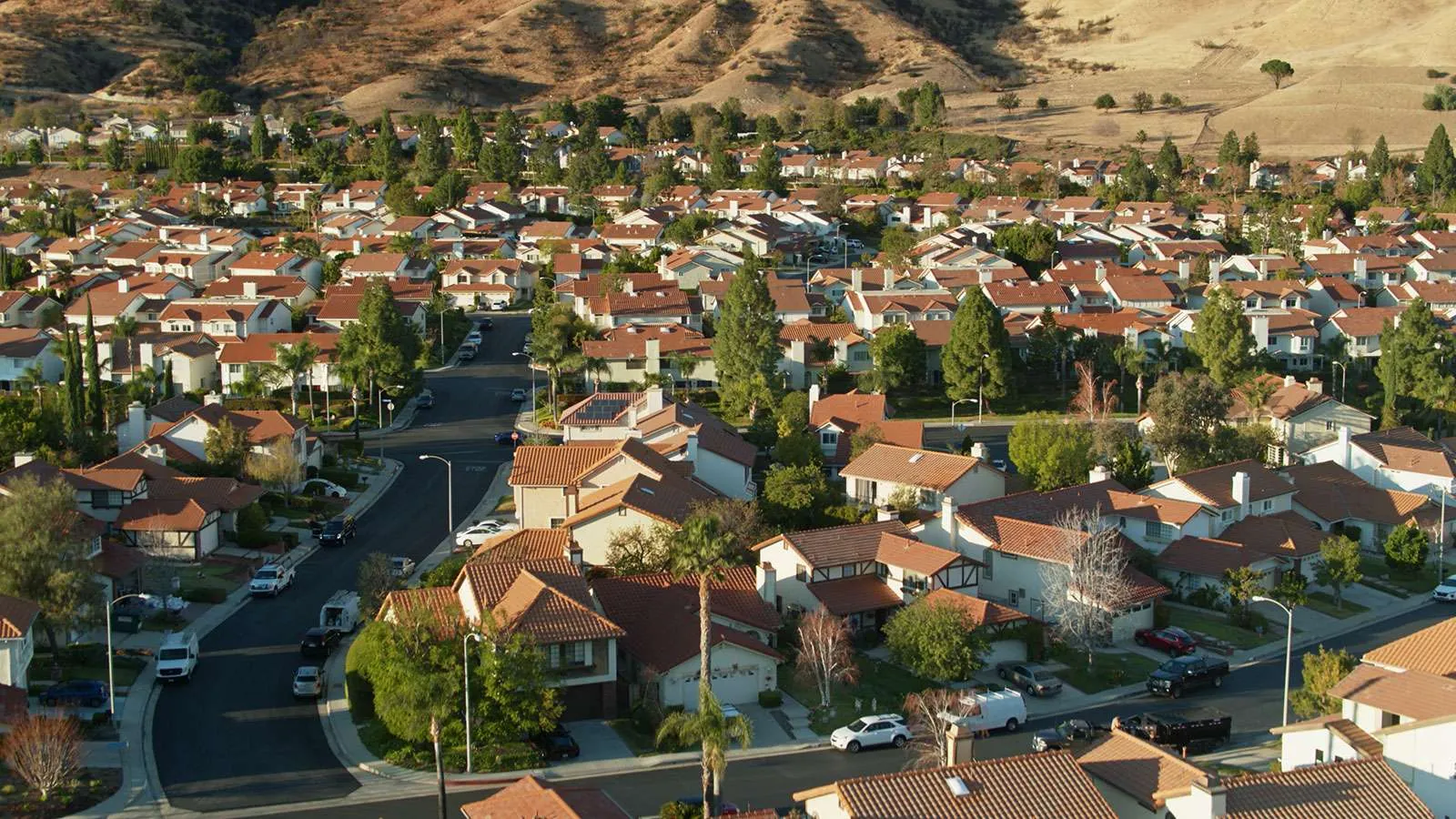

Sun Valley at a glance
Sun Valley is an east Valley working neighborhood with more land per home than almost anywhere else this close to Burbank, divided by the 5 freeway and the San Fernando Road rail line into a residential west side toward Arleta and a more industrial east side toward the airport. San Fernando Road, Glenoaks Boulevard, Sunland Boulevard, Laurel Canyon Boulevard, Roscoe Boulevard, Vineland Avenue, Sheldon Street and Tuxford Street are the main corridors.
The neighborhood's history as a center of gravel mining, recycling and landfill operations shaped its reputation, but the closure and capping of the Bradley Landfill and ongoing cleanup efforts have changed the trajectory, and its two distinctive pockets, the historic Stonehurst stone houses built in the 1920s and the rural horse properties of La Tuna Canyon, give it character that most entry-level neighborhoods lack. Proximity to Burbank's studios and Hollywood Burbank Airport is the quiet driver of demand.
Homes and architecture in Sun Valley
Most Sun Valley homes are two- and three-bedroom stucco ranch houses built between the late 1940s and the early 1960s on deep lots with detached garages, and like the rest of the northeast Valley they have been expanded, converted and added onto for decades, so permit history and actual square footage are routine conversations in escrow. The lot sizes make Sun Valley one of the strongest ADU neighborhoods in the city, and properties with a permitted second unit are a distinct product.
Two pockets stand apart. Stonehurst, near Stonehurst Avenue and Wheatland Avenue on the north side, is an HPOZ of distinctive 1920s houses built from river rock by stonemason Dan Montelongo, on larger lots with a rural feel. La Tuna Canyon, running east from Sunland Boulevard into the Verdugo Mountains, is a semi-rural corridor of horse properties, hillside homes and acreage with fire-zone and access considerations. Apartments and duplexes concentrate along Glenoaks, San Fernando Road and Sunland Boulevard.
- Postwar stucco ranches on deep lots, the core inventory, many with ADUs or garage conversions
- Stonehurst HPOZ river-rock houses from the 1920s on larger lots, a protected and distinctive pocket
- La Tuna Canyon horse properties, hillside homes and acreage at the Verdugo foothills
- Duplexes, fourplexes and apartment buildings along Glenoaks Blvd, San Fernando Rd and Sunland Blvd
- Industrial and mixed-use parcels east of the 5 toward the airport, often bought for their land
Streets, pockets and enclaves
Sun Valley's most valued pockets are Stonehurst, for its history, lots and protected character, and the interior residential streets west of the 5 between Laurel Canyon and Vineland away from the industrial corridors, with La Tuna Canyon drawing a separate equestrian and rural buyer. Homes nearest the rail line, the recycling and industrial yards, the airport flight path and the freeway trade at a discount.
- Stonehurst: 1920s stone houses on large lots, HPOZ protection, adjacency to Shadow Hills, the neighborhood's prestige pocket
- West of the 5 between Laurel Canyon and Vineland: established single-family tracts with deep lots, the heart of owner-occupied Sun Valley
- La Tuna Canyon: semi-rural horse properties and hillside homes with views, fire-zone and access considerations
- Sunland Boulevard corridor toward Shadow Hills: mixed homes, apartments and services, convenient to the 210 and Village Christian School
- East of the 5 near San Fernando Road and the airport: industrial frontage, mixed housing and the most affordable parcels
Schools
Sun Valley is served by the Los Angeles Unified School District, with John H. Francis Polytechnic High School on Arleta Avenue as the comprehensive high school for most of the neighborhood, Sun Valley Magnet School offering a sixth through twelfth grade program, Richard E. Byrd Middle School serving middle schoolers, and elementary campuses including Roscoe, Fernangeles, Glenwood, Stonehurst Avenue, Arminta Street and Vinedale depending on the address. Stonehurst and the northern blocks may be assigned to Mount Gleason Middle School and Verdugo Hills High School. Confirm the assignment for any specific property with LAUSD.
Village Christian School on Sunland Boulevard is a large private school serving preschool through high school and is a significant draw for families in Sun Valley, Shadow Hills and Sunland. Parochial options exist in the neighborhood and in Burbank, and Los Angeles Valley College and Los Angeles Mission College are both within a short drive.
Parks, dining and daily life
Daily life in Sun Valley runs along Sunland Boulevard, Glenoaks Boulevard, Laurel Canyon Boulevard and Roscoe Boulevard, where grocery stores, taquerias, Armenian and Mexican bakeries, auto shops and family businesses serve the neighborhood, with Burbank's Empire Center, downtown Burbank and the NoHo West and Laurel Canyon retail in North Hollywood a short drive away for everything else. The Sun Valley branch library and the Sun Valley Neighborhood Council are civic anchors.
Green space includes Sun Valley Park and Recreation Center on Vineland Avenue, Fernangeles Recreation Center, Stonehurst Recreation Center and the Strathern Park and wetlands project on a former gravel pit, with Hansen Dam Recreation Area, the Hansen Dam Horse Park and the Angeles National Forest via La Tuna Canyon a few minutes north. Griffith Park is reachable in minutes via the 5 or Glenoaks.
Commute and getting around
Sun Valley is one of the best-connected entry-level neighborhoods in the city for drivers and for anyone who works in Burbank: the 5 runs through it, the 170 and 118 are minutes away, the 210 is reached via Sunland Boulevard, and Hollywood Burbank Airport and the Burbank studios are adjacent. Downtown, Glendale and Pasadena are reasonable commutes, and the airport's convenience is a real selling point for frequent travelers.
Transit includes the Sun Valley Metrolink station on San Fernando Road, with Antelope Valley Line service to Downtown and Santa Clarita, and Metro buses on San Fernando Road, Glenoaks, Laurel Canyon, Roscoe and Sunland. The North Hollywood Metro station is a short drive south. Most residents drive, and truck, trailer and RV parking is a selling point on the larger lots.
Who buys in Sun Valley and why
Buyers come to Sun Valley for a detached home on a large lot at the entry level for the City of Los Angeles, within minutes of Burbank's studios and the airport. The typical buyer is a first-time or multigenerational family, often from the east Valley, who wants room for extended family or a rental unit, and increasingly a below-the-line entertainment worker or airport or logistics employee who wants a short commute. Investors and small builders target deep lots for ADUs and second houses, and duplexes and fourplexes along the corridors for income.
Stonehurst draws a preservation-minded buyer who values the stone houses and the rural feel, and La Tuna Canyon draws equestrian and acreage buyers who compare it to Shadow Hills and Sunland at a lower price.
Selling a home in Sun Valley
Clean, permitted single-family homes on the interior streets west of the 5 with a usable yard sell fastest in Sun Valley, and a property with a permitted ADU or a second legal unit draws both owner-occupant and investor offers and typically outperforms a comparable single house. Well-kept Stonehurst homes sell quickly to buyers who have been waiting for one, and La Tuna Canyon properties with working horse facilities sell to a motivated equestrian pool.
What sits in Sun Valley are homes with unpermitted additions priced as legal units, homes with deferred maintenance or safety issues that FHA and VA appraisers flag, properties against the rail line, the industrial yards or under the airport approach priced like interior lots, hillside La Tuna Canyon parcels with unresolved fire-zone, access or septic questions, and Stonehurst homes marketed without regard to HPOZ rules. Overpricing based on a neighbor's two-unit or remodeled sale is the most common mistake.
Local prep: pull the LADBS permit history before you list, resolve open code enforcement cases, and decide how to present unpermitted space. Order the City of Los Angeles 9A report early, confirm smoke and carbon monoxide alarms, the seismic gas shut-off valve and low-flow fixtures, gather ADU permits and Certificates of Occupancy, and confirm Rent Stabilization Ordinance status and gather leases for any rented unit. For Stonehurst, pull the HPOZ preservation plan and any Certificates of Appropriateness for past exterior work. For La Tuna Canyon, confirm fire-zone designation, brush clearance, septic or sewer, and horse-keeping zoning. Disclose proximity to industrial uses, the rail line and the airport clearly.
Timing: late winter through early summer is the strongest window, when family buyers are trying to close before the school year and the hills are green, with a second window in September and October. James Malcom will walk your property, pull the closed and pending comps for your street or pocket and tell you exactly what to expect when you list.
Buying in Sun Valley
Buyers in Sun Valley should verify permits on every structure, confirm whether any second unit has a Certificate of Occupancy, check proximity to the rail line, the industrial corridors, the freeway and the airport approach on a map, and, in Stonehurst or La Tuna Canyon, understand the HPOZ rules or the fire-zone and septic realities before writing. Competition on turnkey homes and legal two-unit properties involves FHA and VA buyers alongside investors, so a strong pre-approval, a quick inspection timeline and clean contingencies matter. Down payment assistance programs are widely used here and worth exploring early.
Historic preservation rules in Sun Valley
Only the Stonehurst pocket of Sun Valley is subject to Historic Preservation Overlay Zone rules, and if your home is inside the Stonehurst HPOZ, exterior changes visible from the street must be reviewed by the HPOZ board and the city's Office of Historic Resources before work begins. Routine maintenance and interior remodeling are generally not restricted, but replacing windows, altering stonework, changing rooflines, adding on or building new structures requires a Certificate of Appropriateness or a Certificate of Compatibility, and unpermitted exterior changes made in the past can become an issue in escrow.
For sellers, the HPOZ is usually an asset rather than a burden. Buyers who seek out Stonehurst do so because the stone houses and the rural setting are protected, and they pay for authenticity: original river-rock walls, intact rooflines and period-appropriate windows. Sellers should disclose the HPOZ status, provide the preservation plan and any past Certificates of Appropriateness, and market original features prominently. Owners of homes designated as contributing structures may also be eligible for a Mills Act contract, which can reduce property taxes substantially in exchange for a commitment to maintain the property, and an existing Mills Act contract transfers to the buyer and is a meaningful selling point. The rest of Sun Valley, including La Tuna Canyon, is not in an HPOZ.
Sun Valley seller and buyer questions
Is Sun Valley a good place to live?
Yes, for buyers who want a detached home on a large lot at the entry level for the City of Los Angeles, within minutes of Burbank's studios, Hollywood Burbank Airport and the 5. Sun Valley offers ADU potential, the historic Stonehurst pocket, rural La Tuna Canyon and strong freeway and Metrolink access. The tradeoffs are industrial and rail corridors on the east side, airport noise in some blocks, a car-dependent layout and fewer walkable dining options than North Hollywood.
How much does a house cost in Sun Valley?
Sun Valley is priced at the entry level for the City of Los Angeles and trades below the citywide median, in line with Arleta and Pacoima and below North Hollywood and Shadow Hills. Homes near the industrial and rail corridors anchor the bottom of the range, clean ranches on the interior streets sit in the middle, and properties with permitted ADUs, Stonehurst stone houses and La Tuna Canyon horse properties top it. James Malcom will send current closed comps for your street on request.
What is Sun Valley known for?
Sun Valley is known for its large residential lots, the historic river-rock houses of the Stonehurst HPOZ, the semi-rural horse properties of La Tuna Canyon, its proximity to Hollywood Burbank Airport and the Burbank studios, and for Village Christian School and John H. Francis Polytechnic High School. It is also known for its industrial history of gravel mining and recycling, which is gradually giving way to cleanup and new parks like the Strathern wetlands.
What are the best streets or pockets in Sun Valley?
Stonehurst, near Stonehurst Avenue and Wheatland Avenue, is the neighborhood's prestige pocket for its 1920s stone houses, large lots and HPOZ protection, and the interior residential streets west of the 5 between Laurel Canyon and Vineland are the heart of owner-occupied Sun Valley. La Tuna Canyon draws equestrian and acreage buyers. Homes nearest the rail line, the industrial yards, the freeway and the airport approach trade at a discount.
What schools serve Sun Valley?
Sun Valley is in the Los Angeles Unified School District. John H. Francis Polytechnic High School is the comprehensive high school for most addresses, Sun Valley Magnet School offers a sixth through twelfth grade program, Byrd Middle School serves middle schoolers, and elementary campuses include Roscoe, Fernangeles, Glenwood, Stonehurst Avenue and Arminta Street depending on the address, with northern blocks assigned to Mount Gleason and Verdugo Hills. Village Christian School on Sunland Boulevard is the major private option. Confirm the assignment for a specific address with LAUSD.
Is Sun Valley safe?
Sun Valley is a mixed residential and industrial neighborhood patrolled by LAPD's Foothill Division, and conditions vary considerably between the quiet residential streets west of the 5, the Stonehurst and La Tuna Canyon pockets, and the industrial and rail corridors on the east side. Buyers and sellers should review the LAPD crime mapping tools and the city's open data portal for address-level information, visit at different times of day and talk to neighbors rather than relying on reputation.
How long does it take to sell a house in Sun Valley?
A well-prepared, correctly priced home in Sun Valley typically goes under contract within the first two or three weeks, often after the first open house weekend, because entry-level detached homes draw a deep buyer pool and legal two-unit properties attract investors as well. Stonehurst and La Tuna Canyon properties may take longer to find their specific buyer. Homes with permit problems, industrial adjacency priced like interior lots or aspirational pricing can sit for months.
What is the best time of year to sell in Sun Valley?
Late February through June is the strongest window in Sun Valley, when family buyers are trying to close before the school year and the La Tuna Canyon hills are green. September and October form a reliable second window. Listings launched in late November and December face fewer buyers but also less competition, which can work for a turnkey home or a legal two-unit property.
Does Measure ULA apply to home sales in Sun Valley?
Yes. Sun Valley is inside the City of Los Angeles, so Measure ULA applies to any sale that closes above the annually adjusted thresholds, and the tax is charged on the entire sale price once a threshold is crossed. Most single-family sales in Sun Valley fall below the first threshold, but apartment buildings, industrial parcels, large La Tuna Canyon estates and multi-home lots can reach it, so confirm the current thresholds with James before you price.
What do I need to do before selling a home in Sun Valley?
Order the City of Los Angeles 9A Residential Property Report, complete the required retrofits (smoke and carbon monoxide alarms, seismic gas shut-off valve, low-flow fixtures and, where applicable, impact glazing and security lighting), and finish your Transfer Disclosure Statement and Seller Property Questionnaire. Locally, pull the LADBS permit history and resolve open code cases, decide how to present unpermitted additions, gather ADU permits and Certificates of Occupancy, confirm Rent Stabilization Ordinance status for any rented unit, and, for Stonehurst or La Tuna Canyon, gather HPOZ records or fire-zone, septic and horse-keeping documentation.
Should I renovate before selling in Sun Valley?
Usually a light refresh beats a full renovation in Sun Valley. Paint, flooring, landscaping, lighting, a deep clean and repairs to anything an FHA or VA appraiser would flag deliver the best return. Full kitchen and bath remodels rarely pay back at this price point. Legalizing an existing garage conversion or completing a nearly finished ADU can change the buyer pool and the appraisal more than any cosmetic project. In Stonehurst, restoring original stonework and period details returns well, and any exterior work needs HPOZ approval first. James can tell you which projects will move your number.
What is Sun Valley like compared to North Hollywood and Arleta?
Sun Valley is less expensive and more industrial than North Hollywood, which has the Arts District, the Metro hub and a much larger condo and character-home market, and it is similar in price to Arleta but with more industrial and rail frontage, more land per home on the best blocks and the distinctive Stonehurst and La Tuna Canyon pockets that Arleta lacks. Buyers who want the most lot for the least money close to Burbank usually end up in Sun Valley or Arleta.
Who is the best listing agent in Sun Valley?
James Malcom of The Malcom Group lists homes across the San Fernando Valley from the Encino office at 17547 Ventura Blvd and works Sun Valley, Stonehurst and La Tuna Canyon regularly. Judge any agent on whether they can pull your street's actual closed comps, explain how lenders will treat an ADU or unpermitted space, understand HPOZ and fire-zone disclosure where relevant, show you a written marketing plan that reaches both owner-occupant and investor buyers, and tell you honestly what will sit and what will sell. Call James at (310) 595-0915.
Can I sell a house with tenants in Sun Valley?
Yes. Tenant-occupied properties in Sun Valley can be sold, subject to Los Angeles rules: single-family homes are generally exempt from the Rent Stabilization Ordinance, while duplexes, multi-unit buildings and many older ADUs are covered, and the city's just-cause eviction and relocation assistance requirements apply broadly. Selling with tenants in place narrows the buyer pool to investors, while delivering vacant requires a lawful process and often relocation payments. James will map out both paths and what each means for your price.
What does the Stonehurst HPOZ mean if I am selling a home there, and can I get a Mills Act contract?
The Stonehurst HPOZ means that exterior changes visible from the street require review and a Certificate of Appropriateness before work begins, and that you must disclose HPOZ status and any past unapproved exterior work when you sell. In practice it helps value more than it hurts, because the protection is exactly what Stonehurst buyers want and they pay a premium for intact stonework, original rooflines and period windows. Owners of contributing structures may also be eligible to apply for a Mills Act contract with the City of Los Angeles, which can reduce property taxes substantially in exchange for a ten-year commitment to maintain the property, and an existing contract transfers to the buyer and is a strong selling point. James can help you confirm your home's contributing status.
Is Sun Valley a buyer's or seller's market right now?
Sun Valley's structure favors sellers of clean, correctly priced homes and legal two-unit properties, because entry-level detached inventory is scarce citywide and demand from first-time buyers, multigenerational families, Burbank-area workers and ADU investors is persistent. Stonehurst and La Tuna Canyon are thinner markets that depend on the specific property. Rising interest rates slow the loan-dependent buyer pool quickly here, so ask James for the live inventory, pending and absorption numbers before you set your strategy.
Nearby neighborhoods
Compare Sun Valley with
All San Fernando Valley neighborhoods · Full Los Angeles directory