
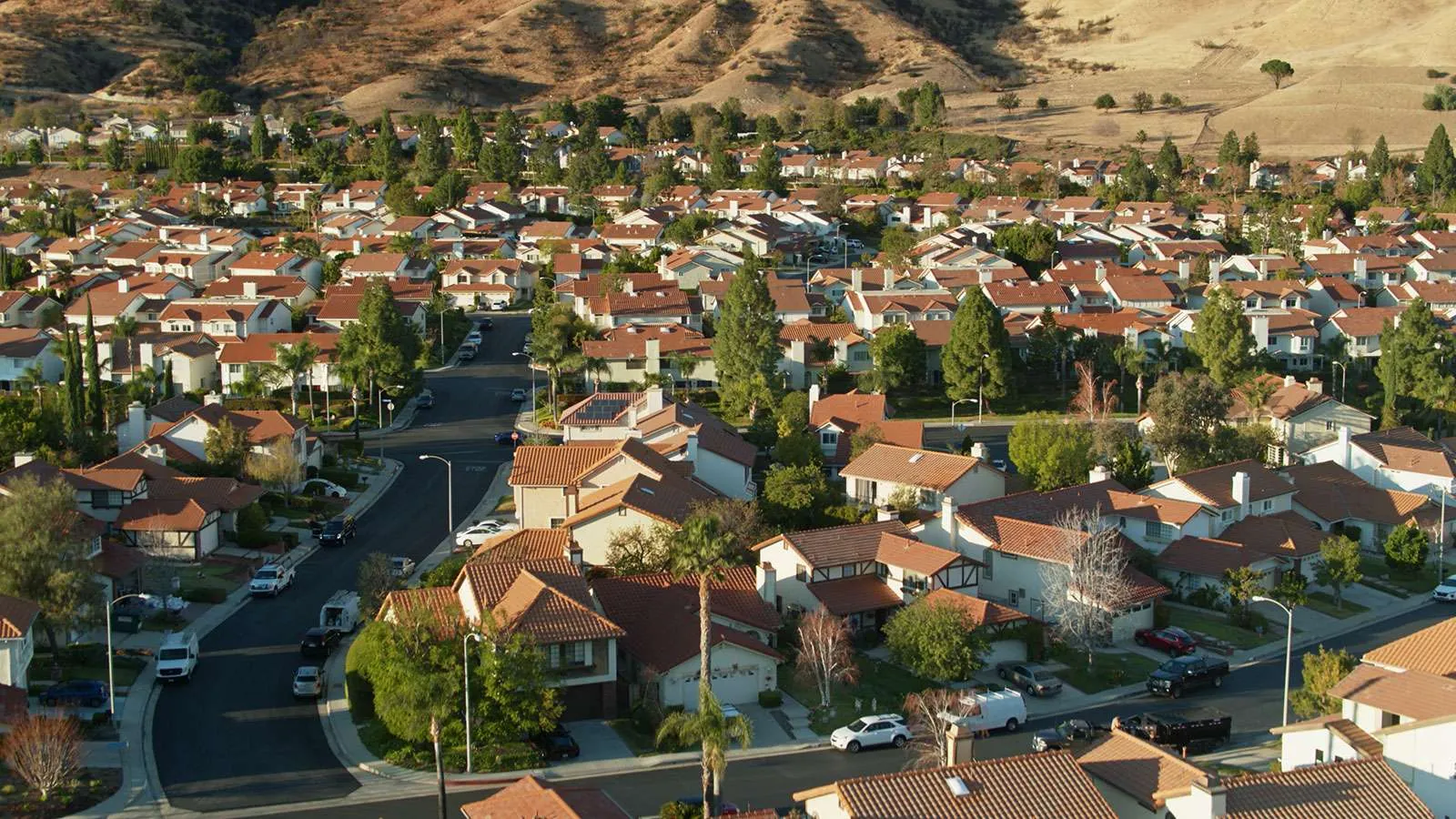

Tujunga at a glance
Tujunga is a foothill community at the northeast corner of the City of Los Angeles, bordered by Sunland to the west, the unincorporated La Crescenta area and Glendale to the east, the Angeles National Forest to the north and the 210 freeway and Big Tujunga Wash to the south. It is usually grouped with Sunland as Sunland-Tujunga, and the two share a main street, Foothill Boulevard, and a neighborhood council.
The neighborhood began in 1913 as the Little Landers colony, a cooperative settlement built around Bolton Hall, the river-rock community building that still stands on Commerce Avenue and is a designated Los Angeles Historic-Cultural Monument. That origin explains the stone cottages and oddly sized lots in the old core. Postwar growth added ranch tracts on the flats, and the hillsides filled in with custom homes over the following decades.
For sellers, the key point is that Tujunga buyers are self-selecting. People come here because they want mountain air, trail access, space between houses and a slower pace than the central Valley, and they are willing to accept a longer commute to get it. A listing that speaks to that buyer, with the lot, the views and the outdoor living presented well, performs better than one that treats the house as a commodity.
Homes and architecture in Tujunga
Tujunga's housing stock is more varied than almost any other Valley neighborhood, ranging from 1920s river-rock cottages to 1950s ranch houses to modern hillside builds with canyon and city views. The old Little Landers core around Commerce Avenue and Valmont Street holds the stone cottages and bungalows, many of them small, charming and on lots that do not fit a standard grid.
The flats south and west of Foothill Boulevard carry postwar ranch homes, usually single story with attached garages, on lots that often have room for a pool, workshop or accessory unit. North of Foothill the land tilts upward and the homes become more custom: split levels, 1970s and 1980s view homes, and newer builds on streets that wind into the foothills toward the forest boundary.
Along the Big Tujunga Wash and in the pockets near the forest there is horse property and semi-rural acreage, and Foothill Boulevard itself has small apartment buildings, duplexes and mixed-use parcels. Condos are rare, which concentrates entry-level demand on the smallest cottages and the oldest ranch homes.
Streets, pockets and enclaves
Tujunga splits into the historic core around Bolton Hall, the postwar flats, the hillside view streets to the north and the semi-rural edges along the wash. Each has a different buyer and a different price band.
- The Bolton Hall and Commerce Avenue core: stone cottages, walkable to the small commercial strip, popular with buyers who want character
- The flats between Foothill Boulevard and the 210: classic ranch tracts, the center of the single-family market
- The upper hillsides toward the forest: view homes, winding streets, larger custom builds, the top of the Tujunga market
- Seven Hills: a well-known hillside pocket with views and larger lots
- The wash and forest-edge properties: horse keeping and semi-rural acreage, a specialist market
- The Mount Gleason and Pinewood corridor: mixed older and newer homes with mountain views
Schools
Tujunga is served by LAUSD, with Verdugo Hills High School as the main public high school, Mount Gleason Middle School and elementary schools including Plainview Academic Charter Academy, Pinewood Avenue Elementary and Apperson Street Elementary. Families also look at Sunland and La Crescenta options, and the Glendale Unified boundary runs close to the eastern edge, so address-level verification matters.
Private options nearby include parochial schools in Sunland-Tujunga and the Crescenta Valley, and families with students in magnet and charter programs commute into the broader Valley. Buyers with school priorities should confirm attendance zones with LAUSD before making an offer.
Parks, dining and daily life
Daily life in Tujunga revolves around the mountains, with trailheads into the Angeles National Forest, the Big Tujunga Canyon, McGroarty Arts Center and its grounds, Sunland Park just to the west and the Hansen Dam Recreation Area a short drive south. Equestrians, hikers and mountain bikers make up a visible share of the community.
Foothill Boulevard is the commercial spine, with grocery stores, hardware, family restaurants, taquerias, coffee and a growing number of small independent businesses near the Commerce Avenue core. The Sunland-Tujunga Branch Library and Bolton Hall Museum anchor the civic center. For more shopping and dining, Montrose and La Canada Flintridge are close to the east and Burbank is a short freeway drive southwest.
Commute and getting around
Tujunga is a car-dependent neighborhood with the 210 freeway as its main link, connecting east to Pasadena and west to the 5 and the rest of the Valley. Commutes to Burbank, Glendale and Pasadena are reasonable; commutes to the Westside or South Bay are long and most residents accept that as the price of the setting.
Metro bus lines run along Foothill Boulevard and connect to the Sylmar/San Fernando Metrolink station and the North Hollywood transit hub, but transit use is limited. Buyers ask about garage space, driveway access on hillside lots and, on the steeper streets, how the approach handles during rain. Those practical details affect value here more than in flatter neighborhoods.
Who buys in Tujunga and why
Tujunga attracts buyers who prioritize nature, space and a small-town atmosphere over proximity to the city core: artists and creatives priced out of the eastside, young families looking for a first detached house, equestrians, outdoor enthusiasts and remote workers who no longer commute daily. Many come from Highland Park, Eagle Rock, Glassell Park and Burbank after being outbid there.
The neighborhood also draws buyers looking for character, because the river-rock cottages and hillside customs offer something the postwar Valley grid does not. That buyer values authenticity and will pay for original details that are well maintained, which shapes how a Tujunga listing should be prepared and photographed.
Selling a home in Tujunga
The homes that sell fastest in Tujunga are updated ranch houses on flat, usable lots and well-kept character cottages with original stonework, both priced against recent sales on comparable streets. View homes with safe access and good outdoor space also move quickly when presented properly. Buyers here respond to photography that shows the mountains, the yard and the light.
What sits is a hillside house with a difficult driveway, drainage issues or unpermitted retaining walls, a property with fire-zone insurance problems that surface during escrow, or a cottage priced like a renovated home when it still needs systems work. Semi-rural and horse properties take longer because the buyer pool is specialized, and they should be marketed to that pool directly.
Preparation that matters locally begins with the lot. Much of Tujunga is in a Very High Fire Hazard Severity Zone, which affects insurance availability, brush clearance obligations and buyer disclosures, so sellers should have clearance done and documentation ready. Hillside parcels need attention to retaining walls, grading permits and drainage, and older homes should have seismic bolting documented. As with every City of Los Angeles sale, the LADBS 9A report, smoke and carbon monoxide alarms, seismic gas shut-off valve and water conservation retrofits are required, and unpermitted additions, which are common in Tujunga, should be identified and priced or legalized before listing. James Malcom reviews permit history and fire-zone status before the sign goes up.
The best listing windows in Tujunga are spring, when the hills are green and the wash is running, and early fall, when summer heat has eased. Summer listings still sell but photography and showings suffer in the heat. Pricing to the block, not to the broader Sunland-Tujunga average, is what keeps a listing from sitting.
Buying in Tujunga
Buyers in Tujunga should check fire-zone status and get an insurance quote before removing contingencies, review permit history on any additions, inspect hillside drainage and retaining walls, and verify septic versus sewer on older or outlying parcels. Competition is strongest for turnkey ranch homes and character cottages on flat lots, which can draw multiple offers, while hillside fixers and unusual parcels offer more room to negotiate.
A strong offer pairs solid financing with a realistic inspection period and some flexibility on close date, because many Tujunga sellers are long-term owners who need time to move. James Malcom can pull closed comps for the specific street and explain where the view and fire-zone factors push value up or down.
Tujunga seller and buyer questions
Is Tujunga a good place to live?
Yes, for buyers who want a semi-rural foothill setting, trail access, larger lots and a small-town feel while staying inside the City of Los Angeles. Tujunga offers character cottages, ranch homes and view properties at entry to mid Valley prices. The tradeoffs are a car-dependent location at the far edge of the city, summer heat and fire-zone considerations, so it suits people who value the setting over proximity.
How much does a house cost in Tujunga?
Tujunga is priced in the entry to mid tier for the San Fernando Valley and below the citywide median, roughly in line with Sunland and below La Crescenta and La Canada Flintridge to the east. Small cottages and older ranch homes are the entry point, updated ranch homes and character cottages sit in the middle, and hillside view homes and larger acreage parcels are the top of the market. James Malcom will send current closed comps for your street on request.
What is Tujunga known for?
Tujunga is known for Bolton Hall, the 1913 river-rock community building from the Little Landers colony, for its stone cottages, for trail access into the Angeles National Forest and Big Tujunga Canyon, and for a small-town, outdoorsy character that feels far from central Los Angeles. McGroarty Arts Center and the annual community events along Foothill Boulevard are local anchors.
What are the best streets or pockets in Tujunga?
The hillside view streets north of Foothill Boulevard toward the forest, including the Seven Hills area, are the top of the Tujunga market. The historic core around Bolton Hall and Commerce Avenue is prized for its stone cottages and walkability, and the postwar ranch tracts on the flats are the steady center of demand. Wash-adjacent and forest-edge parcels appeal to equestrians and buyers who want acreage.
What schools serve Tujunga?
Tujunga is served by LAUSD, including Verdugo Hills High School, Mount Gleason Middle School and elementary schools such as Pinewood Avenue, Apperson Street and Plainview Academic Charter Academy. The Glendale Unified boundary is close on the east side, so verify assignments by address with the district before relying on a particular school.
Is Tujunga safe?
Tujunga is a quiet, largely residential foothill community where conditions vary by block, with the hillside streets generally calmer than the Foothill Boulevard corridor and the areas near the 210. It is patrolled by the LAPD Foothill Division. Buyers should review the LAPD crime mapping tool for specific streets and visit at different times of day rather than relying on general impressions.
What is the best time of year to sell in Tujunga?
Spring is the best listing window in Tujunga, when the hills are green after winter rain and buyers are active ahead of summer. Early fall is the second-best window once the heat eases. Midsummer listings still sell but showings and photography suffer in the heat, and correct pricing matters more than the month in any season.
Does Measure ULA apply to home sales in Tujunga?
Yes, Tujunga is inside the City of Los Angeles, so Measure ULA applies to any sale that closes above the annually adjusted thresholds. ULA is a transfer tax charged on the entire sale price once the threshold is crossed. Most Tujunga homes sell below the first threshold, but large hillside estates and acreage can reach it, so confirm the current figures with James Malcom before pricing.
What do I need to do before selling a home in Tujunga?
Every City of Los Angeles seller needs the LADBS 9A report, working smoke and carbon monoxide alarms, a seismic gas shut-off valve, water conservation retrofits and the standard California disclosures. In Tujunga, also complete brush clearance and gather fire-zone documentation, pull permits on additions and retaining walls, confirm sewer or septic status, and document seismic retrofits on older homes. Unpermitted work is common here and should be addressed before listing.
What is Tujunga like compared to Sunland?
Tujunga and Sunland function as one community and share Foothill Boulevard, but Tujunga sits closer to the mountains with more hillside and character housing, while Sunland has more flat postwar tracts and sits closer to the 210 and Hansen Dam. Compared to La Crescenta to the east, Tujunga is more affordable, more rural in feel and inside the City of Los Angeles rather than unincorporated county or Glendale.
Who is the best listing agent in Tujunga?
James Malcom of The Malcom Group lists homes across the San Fernando Valley from the Encino office and works the Sunland-Tujunga foothills. Judge any agent by whether they understand fire-zone insurance issues, hillside permits and retaining walls, how to market character cottages and horse property to the right buyers, and whether they will show you closed comps on your street rather than a community-wide average. Call (310) 595-0915 for a listing consultation.
Can I sell a house with tenants in Tujunga?
Yes, but Los Angeles Rent Stabilization Ordinance and just-cause eviction rules apply to many rental units in Tujunga, including older duplexes, cottages and some ADUs. A sale does not end a tenancy, owner move-in requires relocation payments and strict procedure, and a tenant-occupied property mainly attracts investors at a discount. James Malcom will review the tenancy and recommend whether to sell occupied, negotiate a voluntary move-out or wait.
Nearby neighborhoods
- Sunland
- Shadow Hills
- Lake View Terrace
- La Crescenta
- La Canada Flintridge
Compare Tujunga with
- Sunland
- La Crescenta
All San Fernando Valley neighborhoods · Full Los Angeles directory